

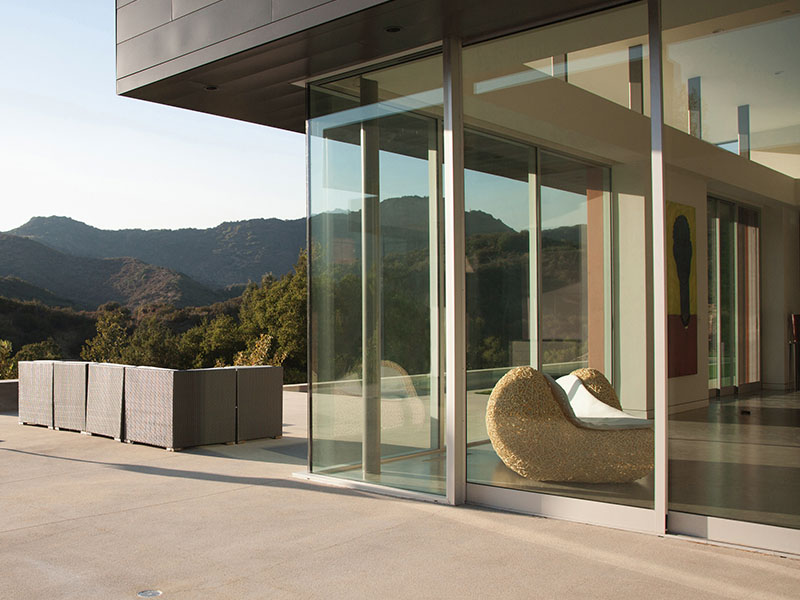
Upgrading your home to a modern, open feel starts with the right architectural elements, and an interior glass entryway is a great choice. While often associated with commercial interiors, these features have become increasingly popular in residential design due to their ability to enhance natural light, improve flow, and introduce a clean, sophisticated look.
Our team at River Glass Designs can help you bring this concept to life through custom glass solutions tailored to your home. We focus on precision craftsmanship and thoughtful design, helping you transform standard entryways into standout architectural features.
Interior glass entryways aren’t just visually appealing. They’re also highly practical. You can define spaces, improve layout efficiency, and create a cohesive design all at once. As you move through this guide, you’ll discover design options, key benefits, and real-world applications that help you confidently integrate glass entryways into your home.
What Are Interior Glass Entryways?
Interior glass entryways are architectural features that use glass doors or panels to separate spaces while maintaining visual openness. Instead of closing rooms off with solid walls or traditional doors, you create boundaries that still allow light and visibility to flow freely.
These entryways come in several configurations to match your space and layout. You can install single doors for smaller openings or double doors for a more dramatic effect. Sliding glass entryways are ideal when you need to conserve space, while pivot doors create a bold, modern focal point.
Glass type plays a key role in both function and appearance. Clear glass maximizes brightness and creates a seamless connection between rooms. Frosted or textured glass introduces privacy without sacrificing light. Decorative or tinted glass can add personality and enhance your interior design.
Interior glass entryways are commonly used to separate living rooms, define home offices, or create transitions between kitchens and dining areas. Because they’re fully customizable, you can adapt them to your home’s layout and style.
By understanding how these entryways function, you’ll be better equipped to evaluate where they fit into your home and how they can improve both design and usability.
Design Options to Match Your Home Style
Interior glass entryways offer a wide range of design possibilities, allowing you to align them with your home’s overall aesthetic. Choosing the right style ensures your entryway feels intentional and cohesive.
Modern and Minimalist Glass Entryways
If your home leans modern, frameless glass entryways provide a clean and streamlined look. Minimal hardware and uninterrupted glass panels emphasize openness and simplicity. This style works well in spaces where you want light to flow freely and maintain a sleek appearance.
Industrial Style Glass Frames
For a bolder and more structured look, industrial-style entryways feature black metal frames paired with clear glass. This design adds contrast and visual interest while still maintaining transparency. It works especially well in loft-style homes or spaces with exposed materials.
Traditional and Transitional Designs
Homes with classic or transitional interiors benefit from framed glass entryways with wood or metal accents. These designs offer structure while introducing a lighter, more open feel. You get the best of both worlds by blending traditional elements with modern materials.
Choosing the Right Door Configuration
Beyond style, the type of door you choose also impacts functionality:
- Sliding doors save space and work well in tight areas
- Pivot doors create a high-end architectural statement
- Double doors enhance symmetry and make larger openings feel grand
Customization options such as etched patterns, geometric designs, and hardware finishes allow you to refine every detail. With the right combination, your glass entryway becomes a seamless extension of your home’s design.
Key Benefits of Interior Glass Entryways
Interior glass entryways provide a combination of aesthetic and functional advantages that enhance your living environment in meaningful ways.
Top Benefits at a Glance
- Increased natural light throughout your home
- Enhanced sense of openness and flow
- Clear definition of spaces without full separation
- Durable and safe modern glass materials
- Reduced reliance on artificial lighting
Natural light is one of the most noticeable improvements. Glass allows sunlight to travel between rooms, making your home feel brighter and more inviting. This is especially helpful in areas that don’t have many windows or tend to feel enclosed.
You’ll also notice a stronger sense of openness. Even when spaces are separated, the visual connection remains, preventing rooms from feeling closed off. This contributes to a more cohesive and spacious atmosphere.
Functionality improves as well. Glass entryways help you define specific zones such as workspaces or dining areas without interrupting the overall layout. This balance supports modern living where flexibility matters.
Durability is another important factor. Tempered and laminated glass are designed for safety and everyday use, so you don’t have to worry about sacrificing practicality for aesthetics.
When combined, these benefits make interior glass entryways a smart and visually impactful upgrade.
Practical Uses in Residential Spaces
Interior glass entryways can be integrated into many areas of your home, offering both functional and aesthetic advantages. Their flexibility allows you to improve layout and usability without major structural changes.
Common Applications in the Home
- Home offices
- Kitchen and dining separations
- Entryways and foyers
- Bedrooms and bathrooms
- Living room transitions
A home office is one of the most effective applications. You can create a dedicated workspace that supports focus while still allowing natural light to flow through the area.
In kitchens and dining spaces, glass entryways help contain noise and cooking odors while maintaining an open-concept feel. This creates a more organized and functional environment.
Entryways and foyers benefit from added definition. Glass doors create a welcoming transition while keeping the space bright and visually connected.
Bedrooms and bathrooms can incorporate frosted or textured glass to maintain privacy while still introducing a modern design element.
By identifying where these entryways provide the most value, you can enhance both the appearance and functionality of your home.
Privacy and Acoustic Considerations
Interior glass entryways create openness, but thoughtful planning ensures you maintain privacy and comfort where needed. Several design choices allow you to strike the right balance.
Privacy Solutions for Glass Entryways
- Frosted or etched glass for reduced visibility
- Textured glass for added style and discretion
- Smart glass that adjusts between clear and opaque
- Strategic placement based on room usage
These options allow you to control visibility without sacrificing light, making them ideal for areas like bedrooms or offices.
Sound control is another important consideration. While glass doesn’t block noise as effectively as solid walls, certain upgrades can improve acoustic performance.
Improving Acoustic Performance
- Laminated glass to reduce sound transmission
- Proper sealing to limit sound gaps
- Soft furnishings to absorb excess noise
Adding rugs, curtains, or upholstered furniture can significantly improve sound quality in spaces with glass entryways.
With the right approach, you can enjoy openness while maintaining a comfortable and functional living environment.
Installation Tips and Maintenance Best Practices
Achieving the best results with interior glass entryways starts with proper installation and continues with consistent maintenance. Attention to detail ensures both performance and longevity.
Installation Considerations
Before installation, evaluate your space carefully. Wall support, floor level, and door clearance all play a role in how well the entryway functions. Selecting the right glass type and hardware is equally important.
Professional installation ensures precise measurements and proper alignment. Even small inconsistencies can affect how doors open and close, so expertise makes a significant difference.
Maintenance Tips for Long-Term Performance
- Clean glass regularly with a non-abrasive cleaner
- Avoid harsh chemicals that may damage finishes
- Inspect hinges, handles, and tracks periodically
- Keep sliding door tracks free of debris
Routine care helps maintain clarity and ensures smooth operation over time.
With proper maintenance, your glass entryways will continue to enhance your home for years to come.
Transform Your Home with Custom Glass Solutions
Interior glass entryways offer a powerful way to enhance your home’s design while improving functionality. You benefit from increased natural light, better flow, and a modern aesthetic that supports everyday living.
Customization plays a key role in achieving the best results. Tailoring each detail ensures your entryways align with your space, style, and practical needs.
River Glass Designs works closely with you to bring these ideas to life. We combine craftsmanship, precision, and thoughtful design to create custom glass entryways that elevate your home.
Now’s the perfect time to reimagine your space with interior glass features that combine elegance with everyday functionality. Reach out to River Glass Designs to explore your options and start creating a home that feels brighter, more open, and intentionally designed.